tommycoolman

tech. blog. repeat.

Menu
Menu
  • HOME
  • QR CODES
  • CONTACT

Upgrading RAM on the 1st Generation Apple TV

Posted on May 24, 2026May 24, 2026 by tommy

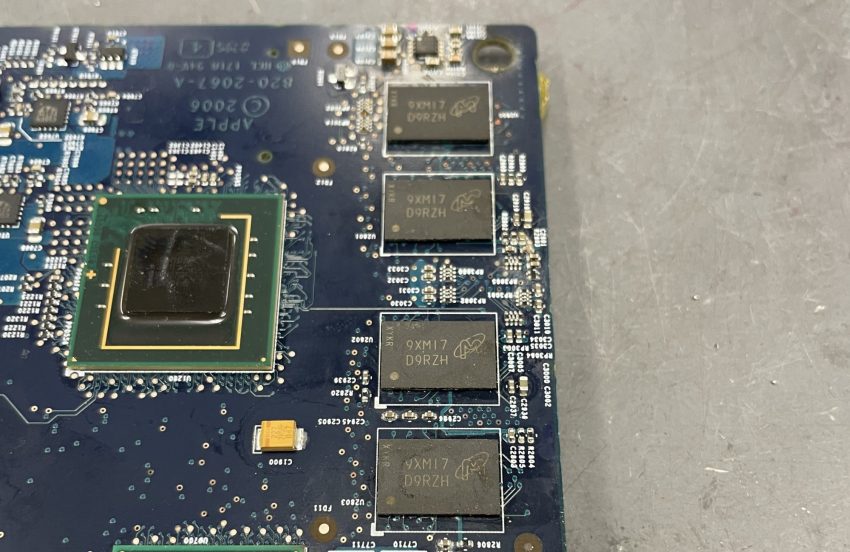
I watched a Youtube video by dosdude1 where he attempts to upgrade an Apple TV to 1GB of RAM from the factory 256MB. Although the Apple TV only managed to recognize 512MB, doubling the RAM is still impressive. I thought I’d upgrade my own Apple TV. Picking the RAM Module My Apple TV uses four…

Read more

Validate Addresses, Tracking Integration with the UPS Developer Kit, Updated for OAuth 2.0

Posted on May 14, 2026May 24, 2026 by tommy

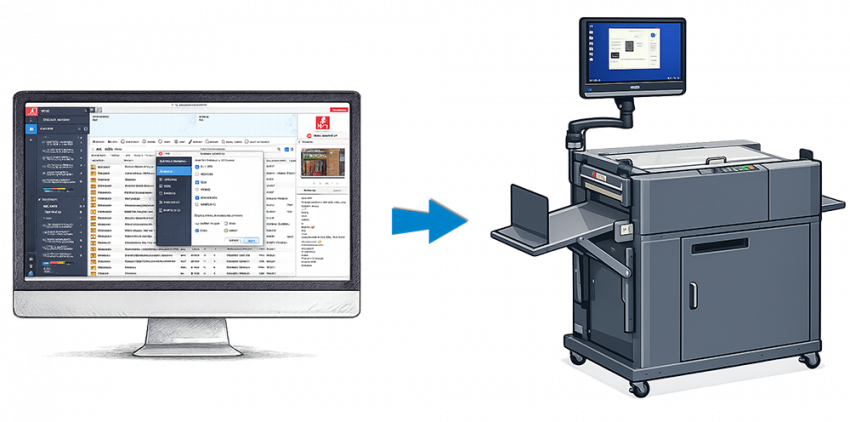
This post serves as an update to an earlier post I did that used the legacy UPS Developer Kit. The legacy developer kit will become deprecated June 2024 in favor of the new API that uses the OAuth 2.0 security model. This new API implementation can be more complicated than the old “API key” method,…

Read more

OS X System Image for 1st Generation Apple TV

Posted on April 14, 2026April 16, 2026 by tommy

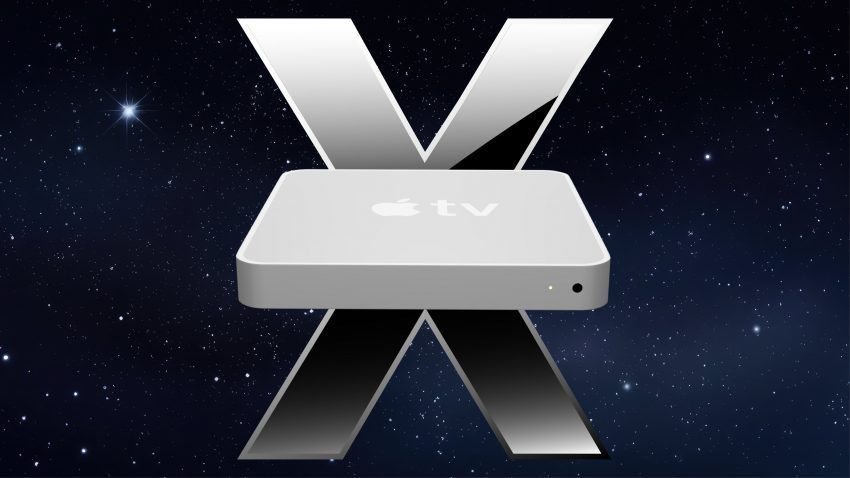
Apple TV System Specs (A1218) Intel Pentium M 1.0GHz (Dothan) 256MB DDR2 10/100Mbit Ethernet 802.11n WiFi GeForce Go 7300 w/ 64MB GDDR3 2.5″ 40GB PATA HDD USB 2.0 (1) HDMI Component Video Out RCA 2-channel Audio Out Optical Audio out Quick Overview of Installation Download the installation image Decompress the image with ‘xz’ or 7zip…

Read more

Salvaging a Laptop Camera for Octoprint

Posted on March 27, 2026April 12, 2026 by tommy

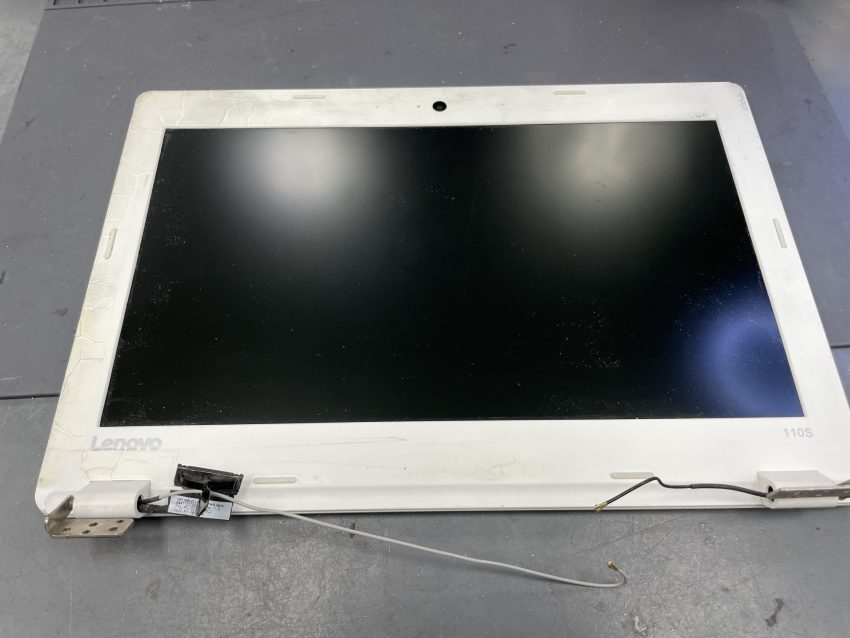
What is Octoprint? Octoprint is open-source software used to control and manage 3D printers. It can run on different platforms — a Raspberry Pi for example — and it connects directly to a 3D printer through USB. The main interface is accessed via a web browser. Octoprint supports live streaming and time-lapse video. The 3D…

Read more

RetroArch on the 1st Generation Apple TV

Posted on April 29, 2025May 21, 2026 by tommy

This post only applies to the original Apple TV, not the “4K 1st Generation”. The original Apple TV has a light gray outer case, as opposed to the black/dark gray of later generations. Installing Linux The 32-bit Intel processor will limit options for distributions since most modern releases are 64-bit only. If you need the…

Read more

Modifying an Inkjet Printer for DTF Printing

Posted on March 28, 2025November 23, 2025 by tommy

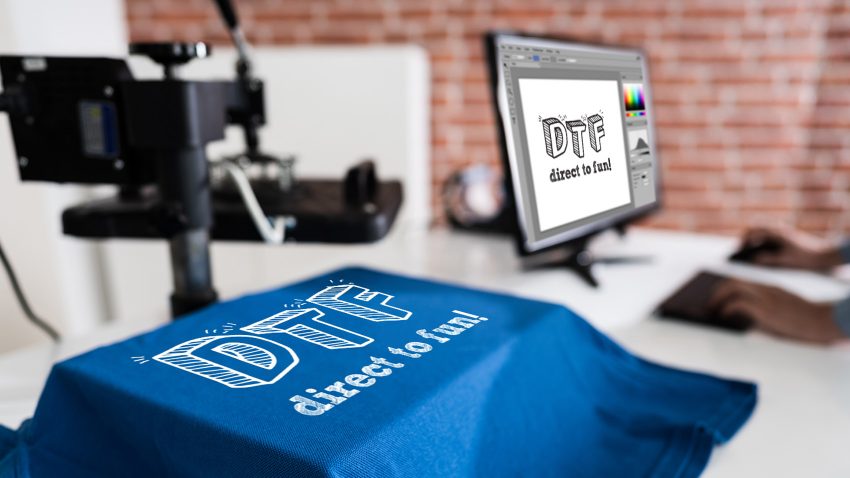
Getting Started What is DTF? Direct to Film printing (DTF) is a method of transferring digital designs to shirts or other garments. DTF ink is printed onto a carrier sheet, usually PET (Polyethylene Terephthalate), and the carrier sheet is heat-pressed onto a garment. What type of inkjet printer is needed? Ideally, the printer will need…

Read more

Designing a 7-node Proxmox/Ceph cluster in Blender

Posted on July 25, 2023August 17, 2024 by tommy

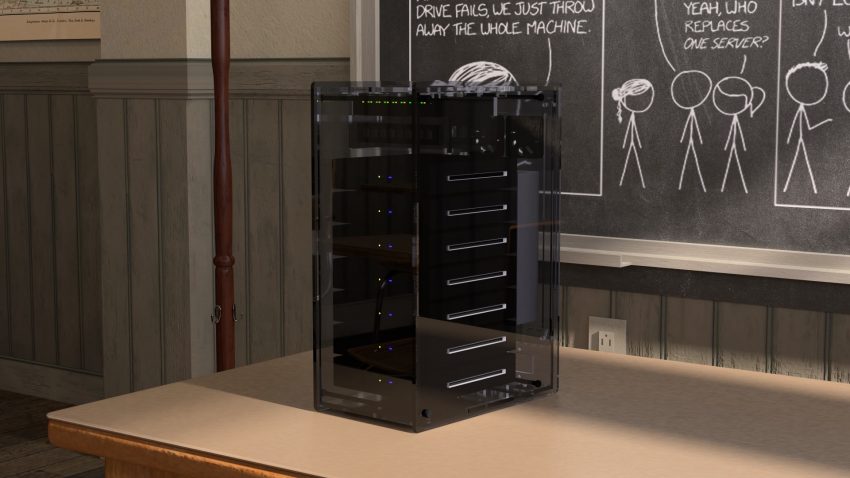
I’ve been wanting to build a Proxmox cluster for a while — mainly to get a feel for Ceph storage. I’m firmly in the ZFS camp, but I do see the appeal of distributed storage paired with a high availability cluster. I plan on using this for my web development stack — LAMP, MEAN, etc…

Read more

Burn an Arduino Bootloader via Parallel Port

Posted on June 20, 2023July 11, 2023 by tommy

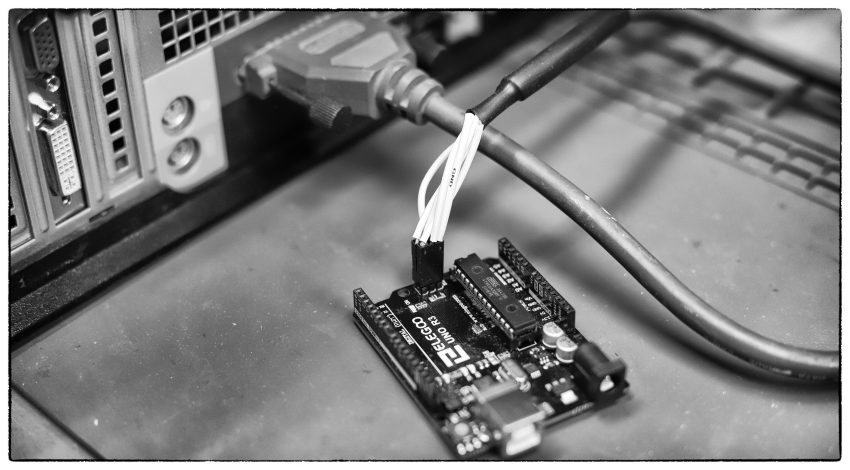
It is possible to burn an Arduino bootloader with nothing more than a computer and parallel port cable. Finding a system with a parallel port is the hard part. Anything newer than a Core 2 Duo will be hit or miss for legacy ports — so a pre-2010 computer is a good place to start….

Read more

Burn an Arduino Bootloader with a Raspberry Pi. The easy way.

Posted on February 4, 2023July 12, 2023 by tommy

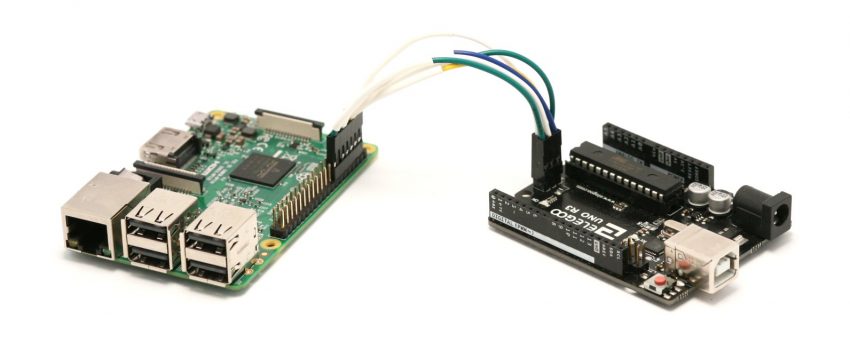
This process uses a modified version of the official Raspberry Pi OS (2020-02-13-raspbian-buster-lite.img). It has been configured with the tools necessary to burn an Arduino style bootloader using the Raspberry Pi’s GPIO pins (described here). Brief summary of steps: Wire Raspberry Pi GPIO pins to Arduino ICSP pins Boot the custom Raspberry Pi image Connect a…

Read more

Programmatically Validate Addresses with the UPS Developer Kit, Tracking Integration

Posted on May 15, 2022May 24, 2026 by tommy

UPS API keys are now deprecated in favor of OAuth 2.0. See my post of updated post on using the UPS OAuth 2.0 API. If you have an e-commerce website, you can validate shipping addresses on the front end to reduce delays and minimize costly returns due to bad addresses. Going further, you can also…

Read more
  • 1
  • 2
  • Next
  • Upgrading RAM on the 1st Generation Apple TV
    May 24, 2026
  • Validate Addresses, Tracking Integration with the UPS Developer Kit, Updated for OAuth 2.0
    May 14, 2026
  • OS X System Image for 1st Generation Apple TV
    April 14, 2026
  • Salvaging a Laptop Camera for Octoprint
    March 27, 2026
©2026 tommycoolman